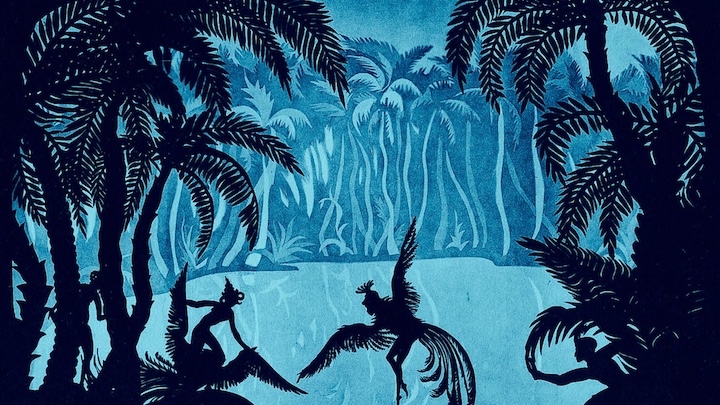
Looking forward to introducing this matinee screening at VIFF next weekend (03-01-2026) with live musical accompaniment by Gordon Grdina & Hamin Honari. This screening celebrates the centenary of this incredible work, the oldest surviving feature-length animated film. Tickets online here.
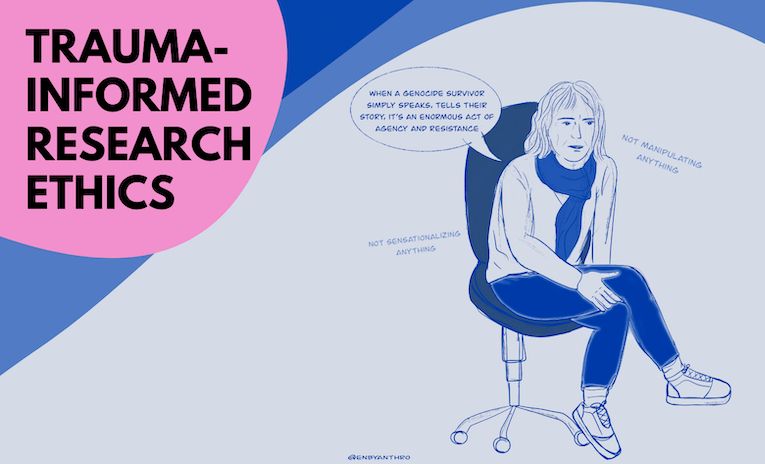
Organized in my current role as Chair of the ECU-Research Ethics Board, this event is a conversation with Dr. Charlotte Schallié, co-director of the Survivor-Centred Visual Narratives project. The conversation focuses on ethical considerations and protocols of arts-based research with trauma survivors. This hybrid event takes place 02-09-2026 at Emily Carr University (main Boardroom) and online

I’m introducing this matinee screening of 𝘈𝘭𝘪: 𝘍𝘦𝘢𝘳 𝘌𝘢𝘵𝘴 𝘵𝘩𝘦 𝘚𝘰𝘶𝘭 (1974) at VIFF Vancity Theatre (June-15-2025) and moderating a post-screening discussion of the film. Looking forward to discussing its portrait of tenderness and human connection against a backdrop of social isolation and xenophobia. Since the screening takes place on Father’s Day, it’s fitting to acknowledge (a content warning, of sorts) its historic place in the German New Wave, popularized at the time under the slogan “Papa’s cinema is dead.” Tickets can be purchased here.

I presented this research-in-progress at the annual conference of the Film and Media Studies Association of Canada (FMSAC) at Queen’s University (May 28, 2025). My presentation discussed the adaptation of Inuit stories for contemporary animation, identifying the opportunities and challenges of interpreting oral storytelling through this media form.
Continue reading “Conference Paper: “Inuit Storytelling in Contemporary Animation””
It was an honour and delight to receive an invitation from the famed GEIDAI animation program at Tokyo University of the Arts, to serve as an international reviewer for their Masters thesis projects. This animation school is bursting with creative energy, storytelling sincerity, and — under the leadership of the brilliant Koji Yamamura — fully committed to artisanal animation.
Continue reading “International Thesis Review: Tokyo University of the Arts”
How can researchers and community-engaged artists centre accessibility and equitable participation of disabled participants, when selecting research or creative methods, designing their recruitment materials, or establishing consent processes? What responsibilities should researchers and creative practitioners have to disabled participants, whose experiences or stories they solicit or share? This virtual roundtable, presented by ECU’s Research Ethics Board (February 11, 2025), featured three participants speaking through lenses of crip theory, health design principles, and disability advocacy in the arts.
Continue reading “Virtual Roundtable: Ethics of Accessibility”
This public talk (19-May-2024) introduces Maya Deren’s film Meshes of the Afternoon and Věra Chytilová’s film Daisies at VIFF, as a continuation of their popular Pantheon series dedicated to the Sight & Sound list of “greatest films of all time.” What do these two films have in common, other than being directed by women? I look forward to offering some framing remarks and hearing from audience members during the post-screening discussion. Screening time and tickets are available here.

How can researchers and artists develop meaningful ethical practices around storytelling methods? What responsibilities do researchers and creative practitioners have to participant stories they gather, store, and share? This virtual roundtable, presented by ECU’s Research Ethics Board, features speakers Aaron Nelson-Moody (Coast Salish art and design), Candace Brunette-Debassige (Indigenous education and academic policy), and Ranjan Datta (community-based disaster research). It was an honour to organize and facilitate this virtual roundtable as part of my work with the ECU Research Ethics Board.
Continue reading “Virtual Roundtable: Ethics of Storytelling”
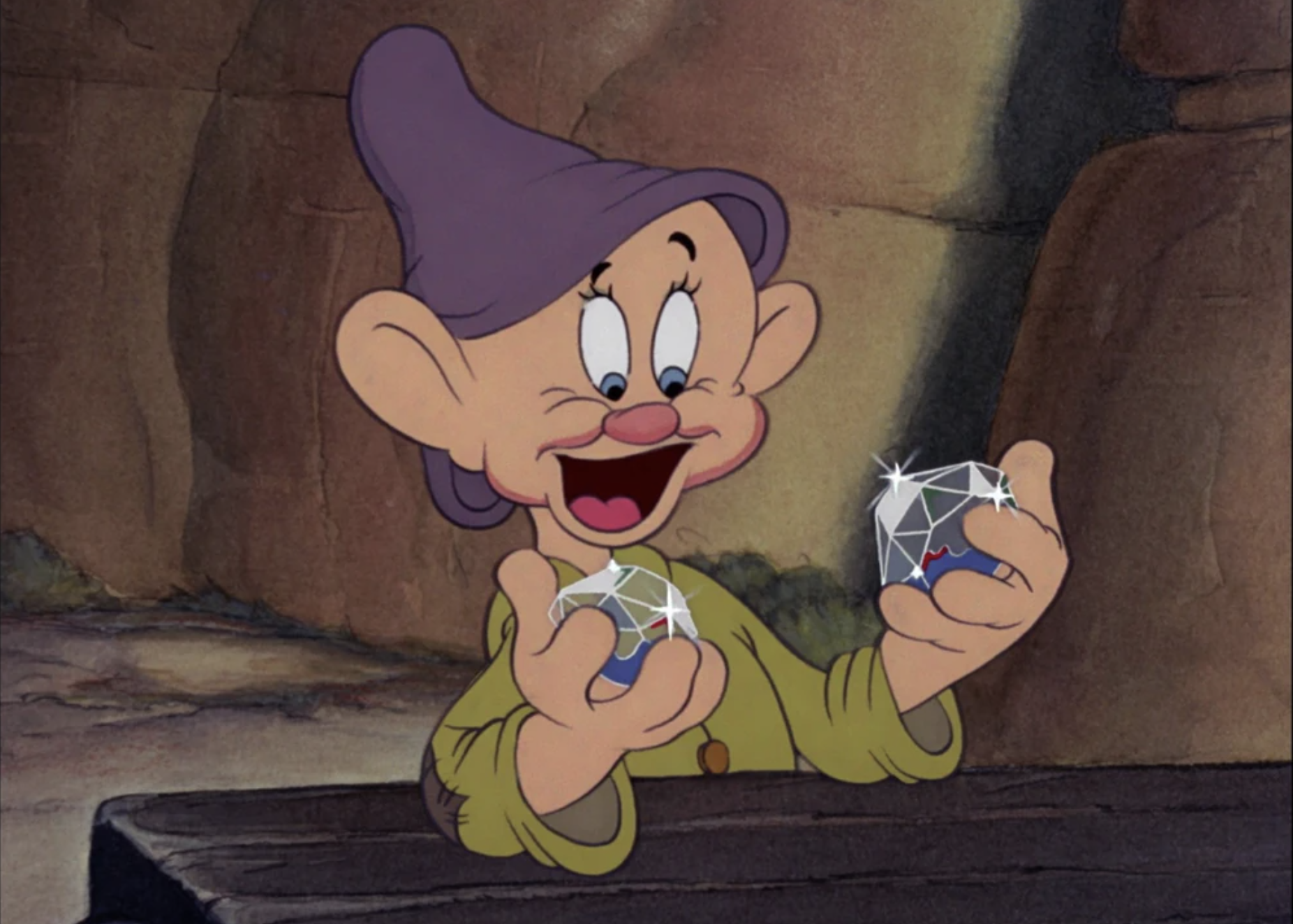
This public talk (December-21-2023) opens the VIFF’s December 2023 series The Wonders, following a screening of Snow White and the Seven Dwarfs (1937, Walt Disney Studio). The talk discusses the pivotal role that Snow White played in the history of the Disney studio and theatrical feature-length animation more broadly. Just as the film’s titular dwarfs descended into the mines to source lustrous diamonds, hundreds of workers entered Walt Disney’s animation studio between 1934 and 1937 to produce and polish a new vision of spectacular, expensive animation.


 Alla Gadassik: Media Scholar and Animation Curator