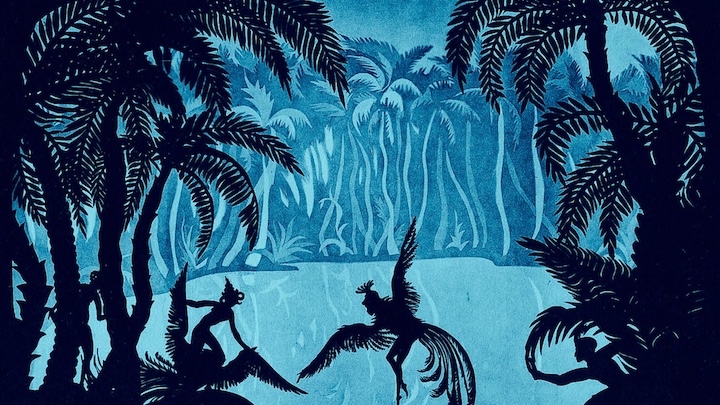
Looking forward to introducing this matinee screening at VIFF next weekend (03-01-2026) with live musical accompaniment by Gordon Grdina & Hamin Honari. This screening celebrates the centenary of this incredible work, the oldest surviving feature-length animated film. Tickets online here.

My review of the luscious exhibition Heart On: Joyce Wieland was published over the holidays in PUBLIC Journal online here. Below is a version of the review that includes my documentation of the exhibition.
Continue reading ““Ohhh, Canada… Joyce Wieland’s Erotic Citizenship” (exhibition review)”
I’m introducing this matinee screening of Walt Disney studio’s Fantasia (1940) at VIFF Theatre (Dec-14-2025) and moderating a post-screening discussion of the film. Looking forward to discussing this film in the context of Visual Music cinema, colour on screen, and feminized labour in the studio’s ink-and-paint department and animation at large .

It was an honour and delight to receive an invitation from the famed GEIDAI animation program at Tokyo University of the Arts, to serve as an international reviewer for their Masters thesis projects. This animation school is bursting with creative energy, storytelling sincerity, and — under the leadership of the brilliant Koji Yamamura — fully committed to artisanal animation.
Continue reading “International Thesis Review: Tokyo University of the Arts”
How can researchers and community-engaged artists centre accessibility and equitable participation of disabled participants, when selecting research or creative methods, designing their recruitment materials, or establishing consent processes? What responsibilities should researchers and creative practitioners have to disabled participants, whose experiences or stories they solicit or share? This virtual roundtable, presented by ECU’s Research Ethics Board (February 11, 2025), featured three participants speaking through lenses of crip theory, health design principles, and disability advocacy in the arts.
Continue reading “Virtual Roundtable: Ethics of Accessibility”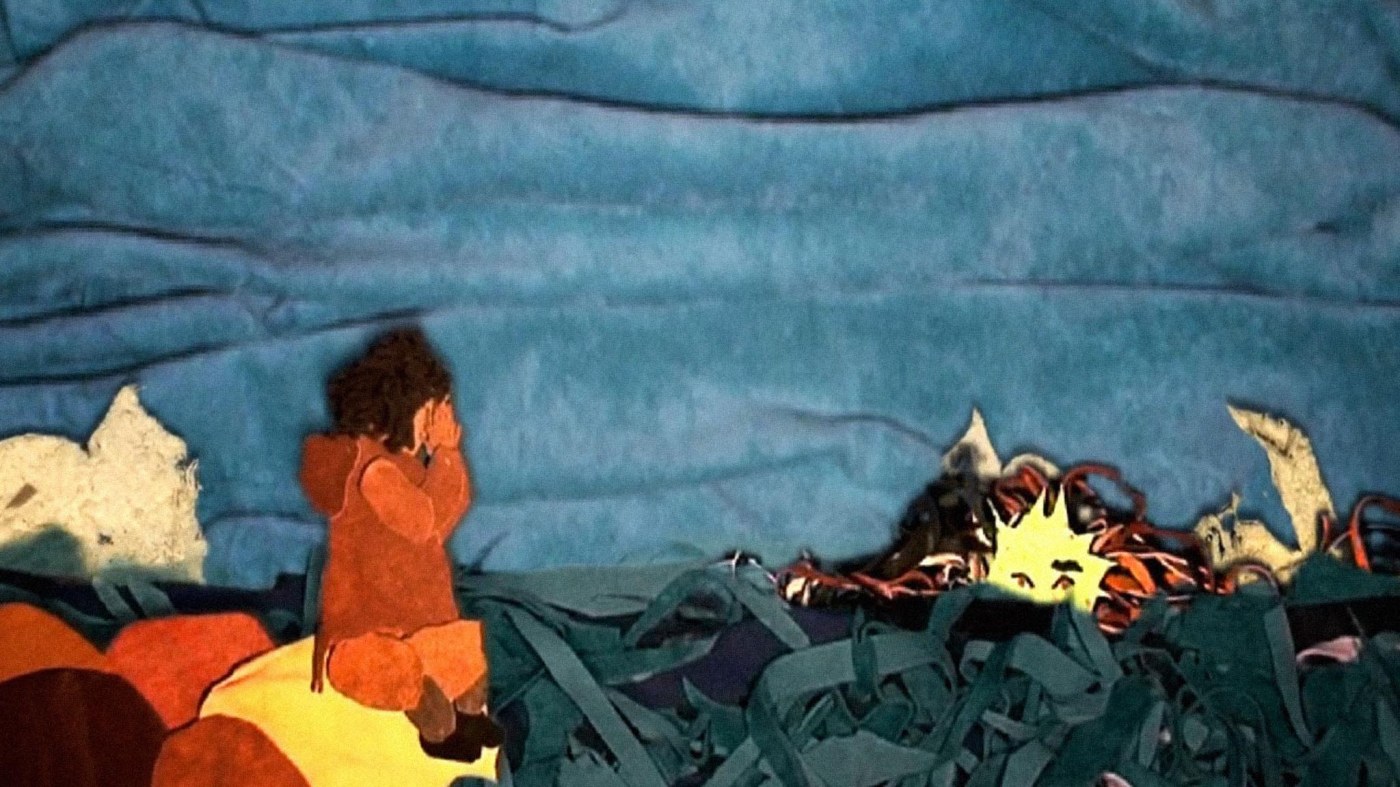
[Update: the position has been filled] Animate Materials Workshop is hiring a research assistant for a project on Indigenous storytelling for animation. Supported by interviews with contemporary animation producers, this project explores the possibilities and barriers of adapting oral stories for animation, with a focus on contemporary Inuit animation.
Continue reading “Hiring Student RA – Indigenous Storytelling in Animation”
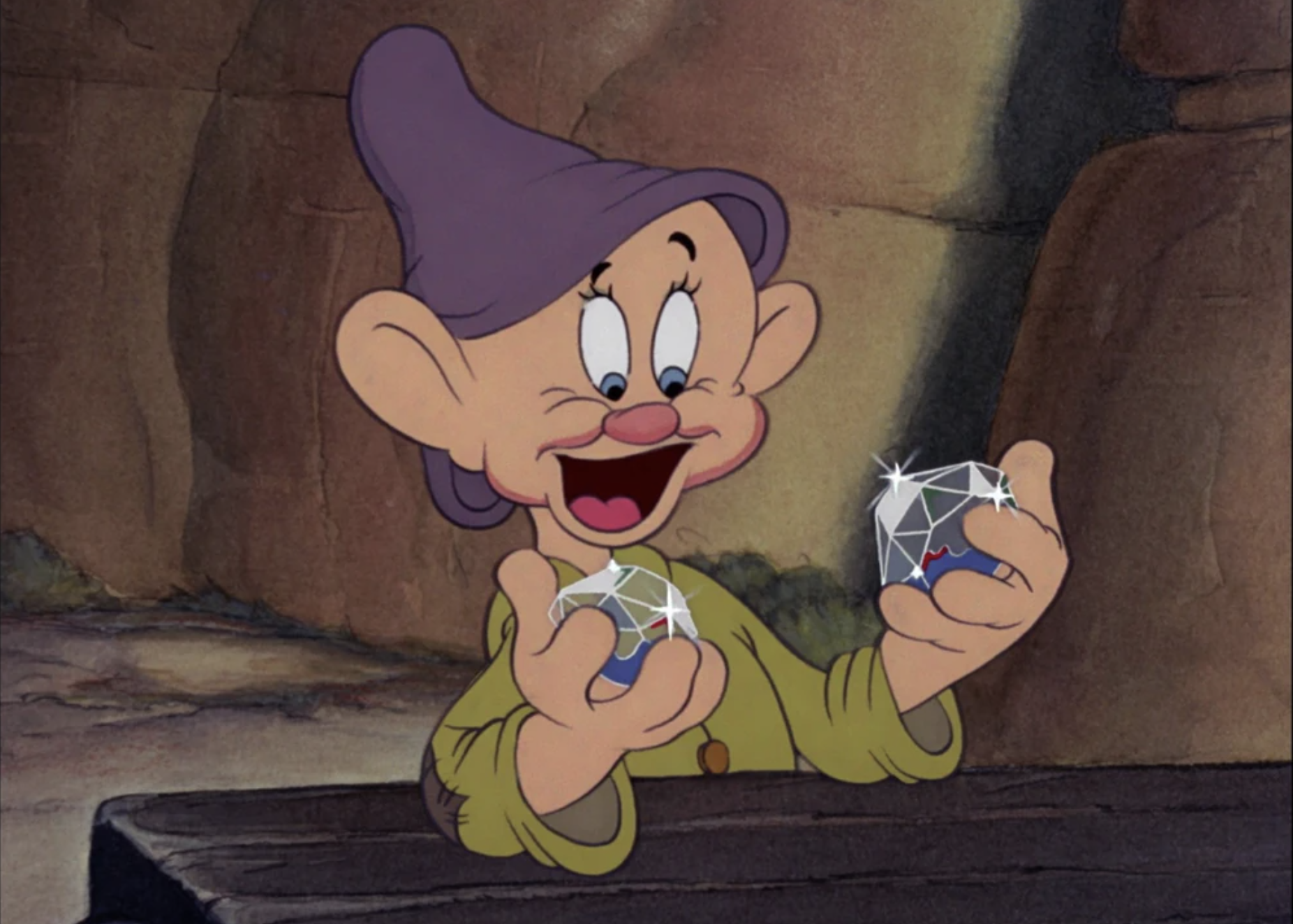
This public talk (December-21-2023) opens the VIFF’s December 2023 series The Wonders, following a screening of Snow White and the Seven Dwarfs (1937, Walt Disney Studio). The talk discusses the pivotal role that Snow White played in the history of the Disney studio and theatrical feature-length animation more broadly. Just as the film’s titular dwarfs descended into the mines to source lustrous diamonds, hundreds of workers entered Walt Disney’s animation studio between 1934 and 1937 to produce and polish a new vision of spectacular, expensive animation.

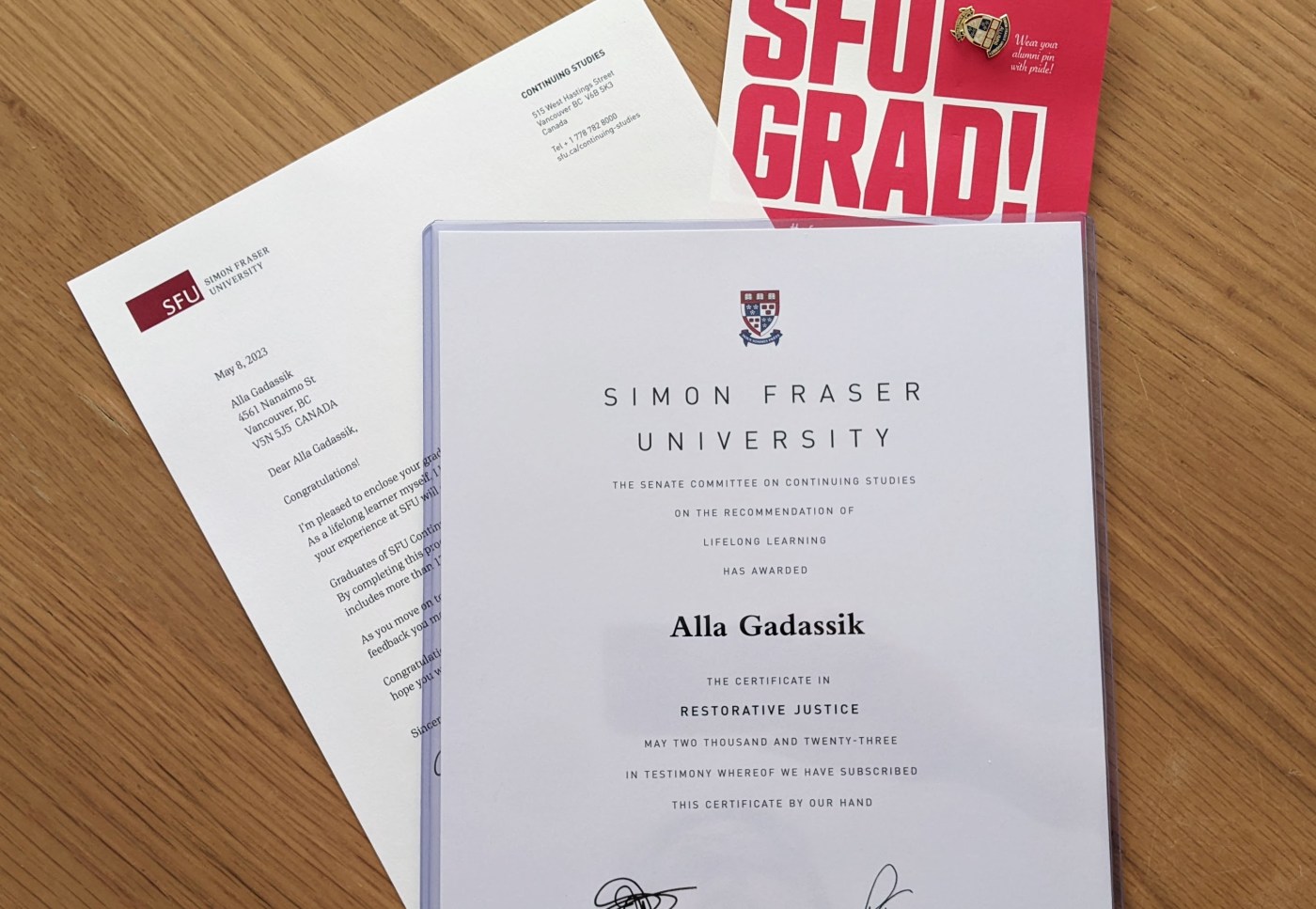
It’s official, I completed my Certificate in Restorative Justice (focus on Education)! This program is designed with an option to complete in one year, but it took me three years — between raising the funds, allowing myself time to really process the material, and coping with unexpected developments at my institution (which served as the primary case study and focus of my coursework). While the program itself was not necessarily a good fit, studying with Christianne Paras and Krystal Glowatski was a privilege. These amazing mentors were careful to remind us that restorative justice is not a panacea, particularly when it comes to contending with systemic and institutional violence. Everything I’ve learned has been transformative for my relationships with students, my classroom spaces, and the kinds of collegial initiatives I’ve sought out since then. I also get a kick at adding SFU to my list of ‘alumna’ institutions.

 Alla Gadassik: Media Scholar and Animation Curator