We invite chapter proposals for the second of four volumes of the Encyclopedia of Animation Studies: Techniques, Processes, Environments (Bloomsbury, 2024). The expansive four-volume series will showcase established and emerging scholarship on animation, including transdisciplinary approaches that consider the proliferating forms and roles of animation today. This second volume, edited by Dr. Franziska Bruckner and Dr. Alla Gadassik, focuses specifically on animation techniques, processes, and environments – how, where, and why animation is made and exhibited.
Continue reading “Call for Proposals: Encyclopedia of Animation Studies vol.2 (Bloomsbury)”
The Fall 2021 issue of the journal JCSM (Journal of Cinema and Media Studies) includes a wonderful dossier of essays on new approaches to animation studies, edited by Ryan Pierson. This was a great opportunity for me to share my love for the multiplane animation stand and its enduring influence on animation aesthetics around the world. Entries cover a wide range of topics, including animation and scientific inquiry, contemporary Russian animation, and educational animation.
Continue reading “Love for the multiplane stand”
I published an article on women’s independent animation and feminized creative labour in the summer 2021 issue of Feminist Media Histories. It’s currently available to read for free on their website here.
Continue reading “Homeworkers, not freelancers”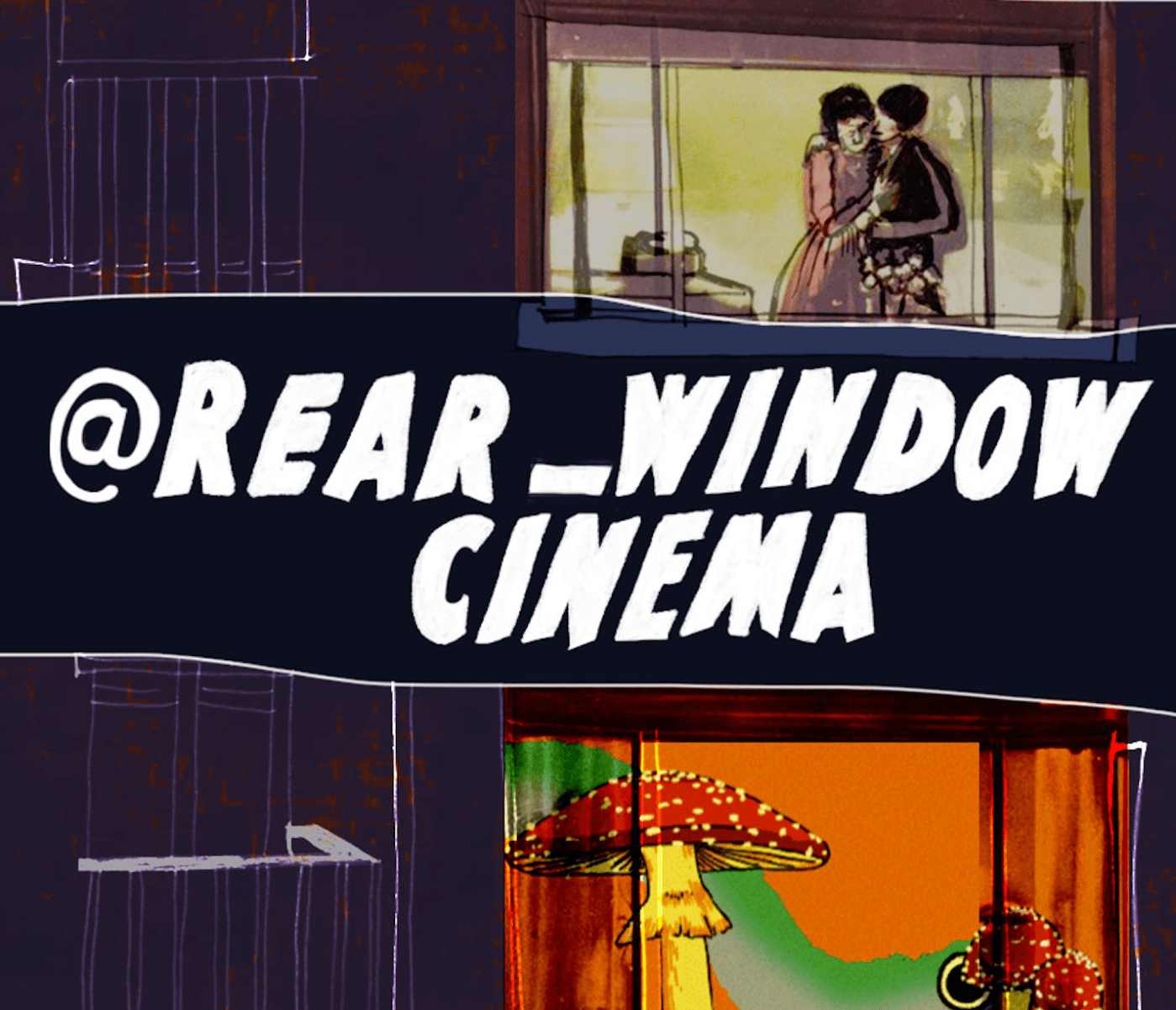
What can community-focused, site-specific media exhibition look like during a pandemic? How can the social intimacy that has always been a part of artists’ cinema adapt to the context of physical distancing?
Rear Window Cinema transforms artists’ private windows (domestic and studio spaces) into ephemeral screens for rear-window projections that are externally visible to passersby on the street. Between the months of October and December, animation artists displayed animated letters to their neighbourhoods, using their windows as the creative point of departure and eventual surface for projection.
Continue reading “Rear Window Cinema: Letters from Isolation (2020-2021)”
Fruit of All is one of three short films produced as part of my joint Master’s degree at York University / Ryerson University. During my graduate studies I was especially interested in experimental animation, including connections or fissures between analog and digital animation. With this film, I explored my computer’s flatbed scanner as a digital “direct animation” device by scanning and rendering the flesh of fruit. The scanned images were paired with hand-drawn animation made using a digital drawing tablet. Making this film really transformed how I understand the concept of “indexicality,” which throughout the 20th century was often misleadingly used to separate photography from drawings, or live-action from animated cinema.
Continue reading “Fruit of All (2008), 2:20min”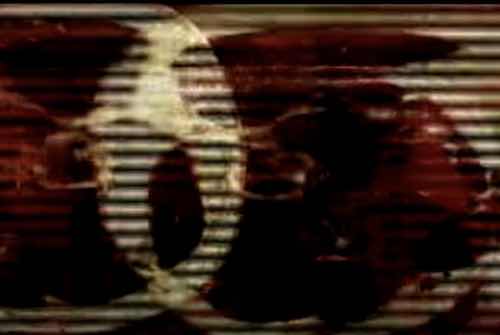
Still Moving is one of three short films produced as part of my joint Master’s degree at York University / Ryerson University. During my graduate studies I was especially interested in experimental animation, including how different hand-made animation processes foster different relationships between a filmmaker’s body and filmmaking technology. This particular film was sparked by Oskar Fischinger’s wax experiments (1921-1926), which were produced by slicing through pillars of multicoloured wax (using a kind of custom guillotine) and photographing the slices one at a time [decades later a variation on this method would be known as “stratacut animation”).
Continue reading “Still Moving (2008), 2:50min”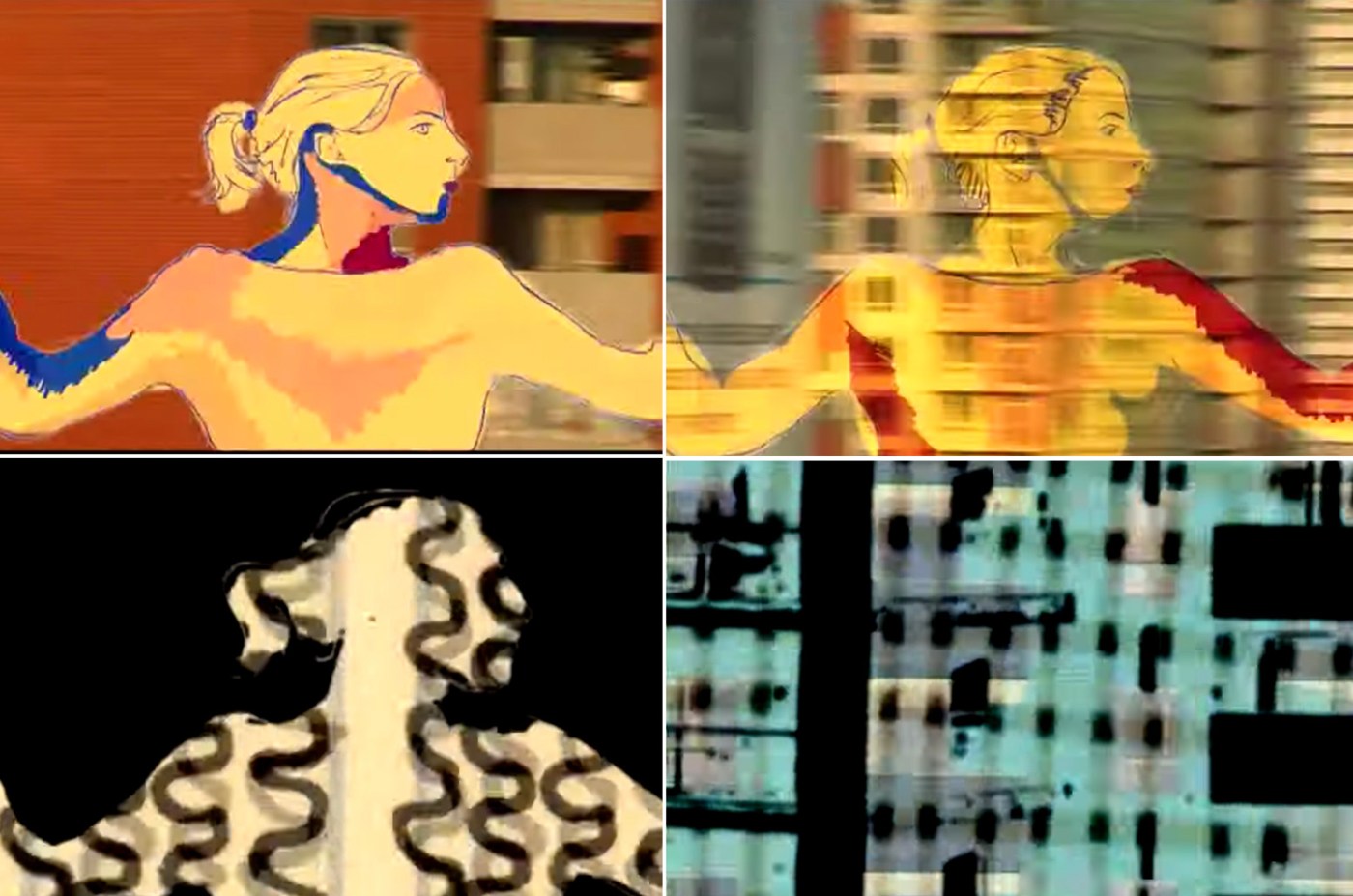
City Body was one of three short films produced as part of my joint Master’s degree at York University and Ryerson University. During my graduate studies I was especially interested in experimental animation, particularly “direct animation,” in which the image is produced directly on a film celluloid strip by scratching, painting, manipulating light and otherwise using the celluloid as a direct canvas. The direct animation experiments of Norman McLaren, Len Lye, and Harry Smith were very important to me. Why did their films affect me in a certain way, and to what extent did specific materials (celluloid film projection) or specific filmmaking gestures (hand-drawing and scratching) play a role in their sensory and rhythmic effects?
Continue reading “City Body (2008), 4:30min”
Looking for Anne was a short video produced for a travelling cross-Canada exhibition marking the centennial anniversary of Lucy Maud Montgomery’s book Anne of Green Gables. The video toured the exhibition nationally and introduced key themes from Dr. Irene Gammel’s book Looking for Anne: How Lucy Maud Montgomery Dreamed Up a Literary Classic. The video was produced as part of my affiliation with the Modern Literature & Culture Centre (MLC) at Ryerson University at the time.

Marion and Gen (2010), is a film/video essay and accompanying text. This project was commissioned as part of the Requiem//102 Project. The “Requiem//102” project was a collaboration between artists, scholars, and writers. Each contributor wrote (or made) a response based on one still frame from Darren Aronofsky’s 2000 film Requiem for a Dream. My contribution is a short film that begins with my assigned still image and then forms an alternate biography for the character of Marion Silver.
Continue reading “Marion and Gen (2010), 7:10min”

